A campaign that runs once isn’t a strategy. It’s a donation with a press release.
Every cause partnership pitches itself as a beginning. Due to frequent resource restrictions in this sector, what usually gets built is an ending. The people running these programs know this. The system they're working inside makes it hard to create a different outcome.
The launch moment gets the budget, the creative attention, the executive sign-off, and the press release. The second year gets a line item if the first year's metrics were good, and nothing if the team turned over or the news cycle moved on. This is how most corporate cause work is designed.
The problem is structural. Annual budget cycles, quarterly reporting, rotating leadership, and campaign-by-campaign measurement all incentivize launch-oriented thinking. The metrics that look good at the end of year one - awareness lift, media mentions, donation total - are the metrics that get reported. The metrics that matter at year three - community trust, partnership depth, compounding audience relationship - aren't measured because most partnerships don't make it to year three.
Benevity's2024 State of Corporate Volunteering data points at the compounding effect, even if indirectly. When team volunteering is part of a company's strategy, employee participation rates run 7.5 times higher than at organizations that offer only individual volunteer opportunities. That multiplier isn't available in year one. It accrues through repetition and trust - which requires the program to still exist.
The campaigns I've worked on that produced the most durable impact weren't always the ones with the flashiest launch moments. They were the ones that we came back to and continued to evolve.
The design question for any cause partnership should be: what does year three look like? If you can't answer that, you're building a moment in time. That's fine - but name it accurately.
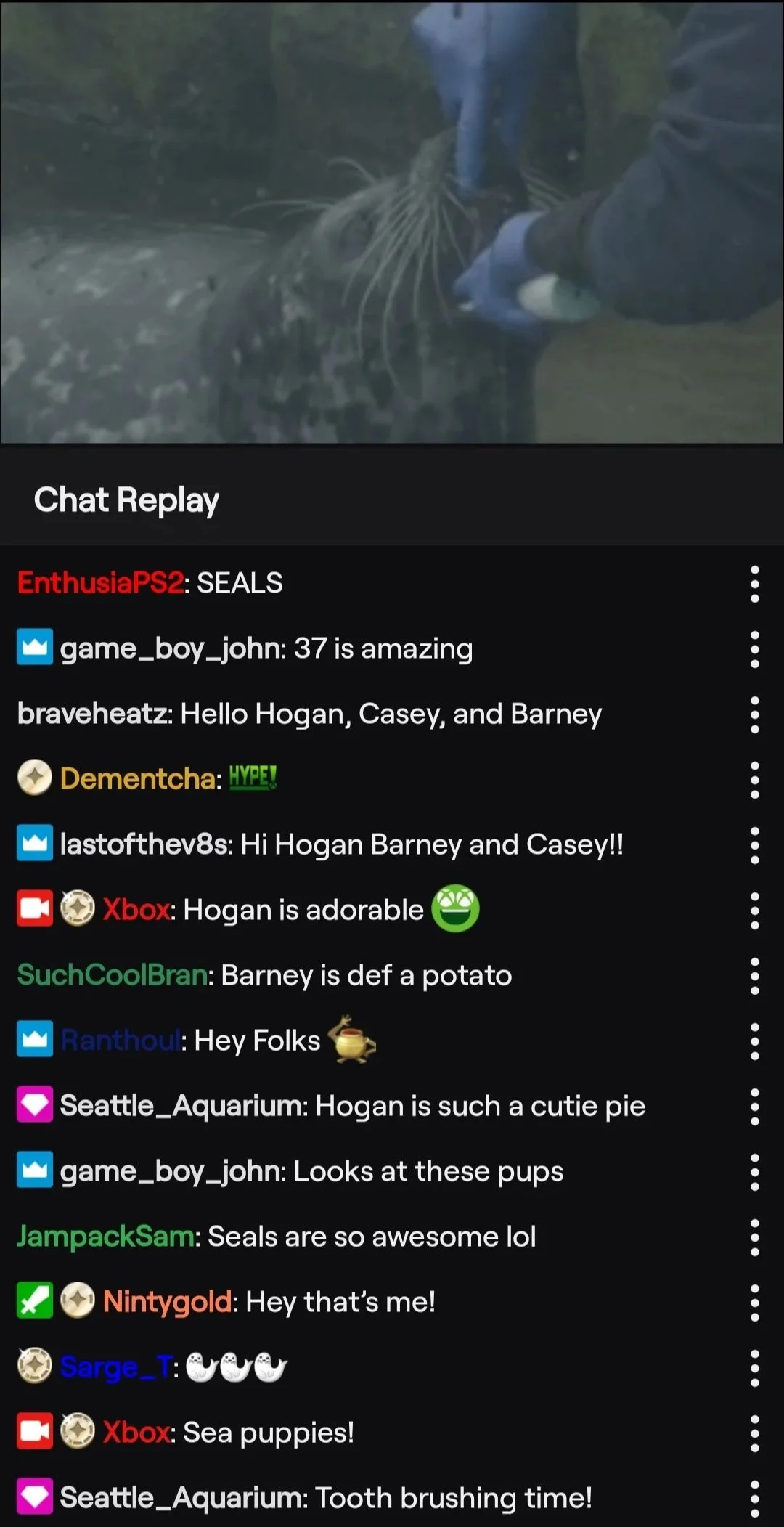
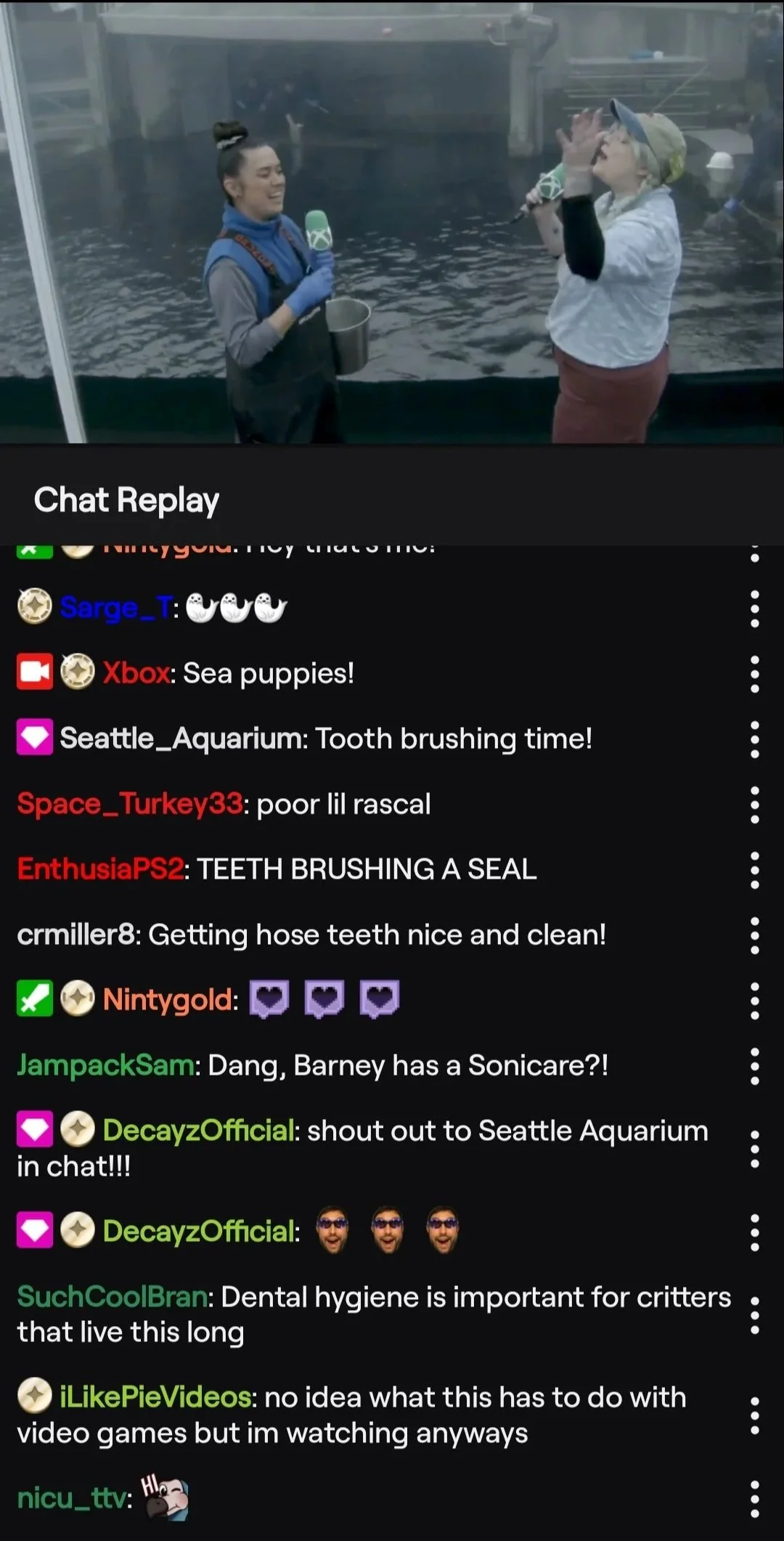
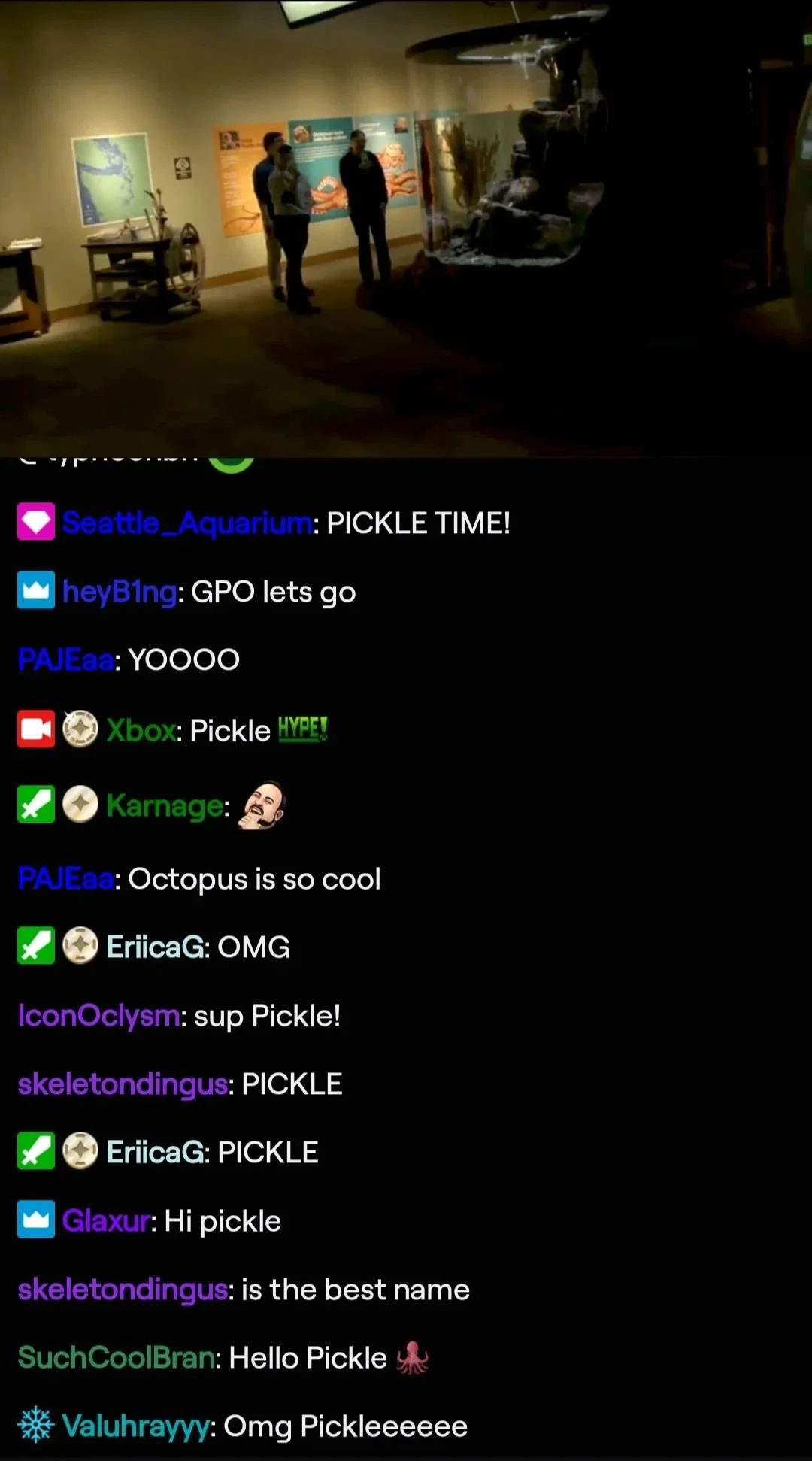
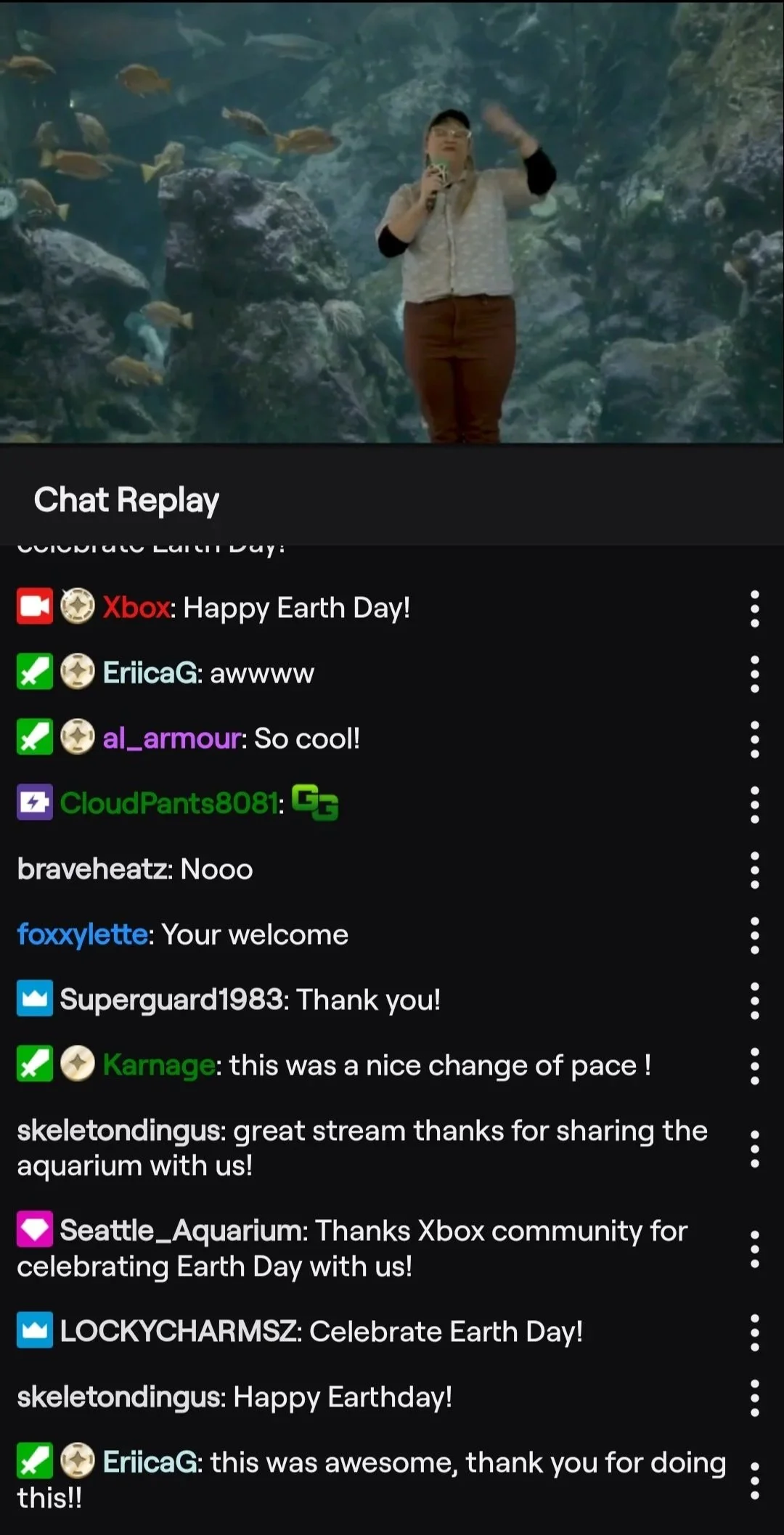
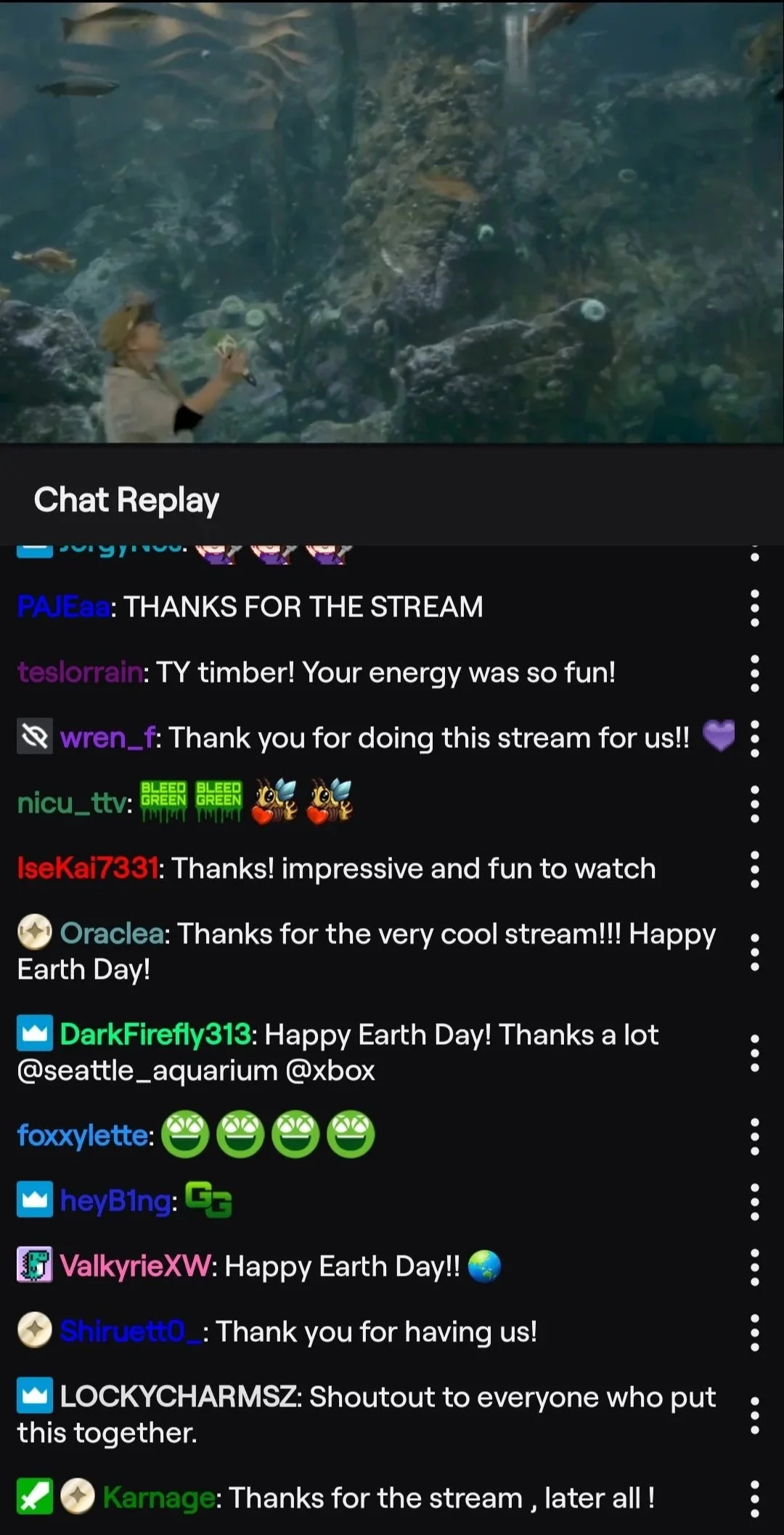
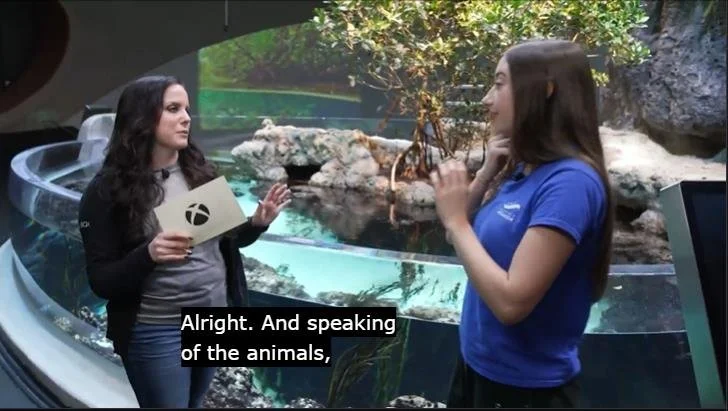
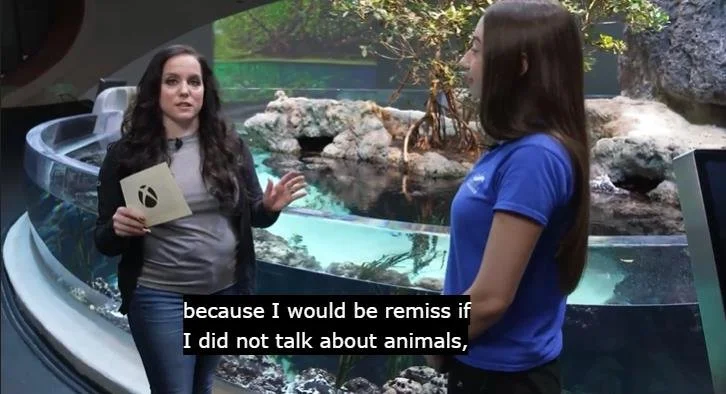
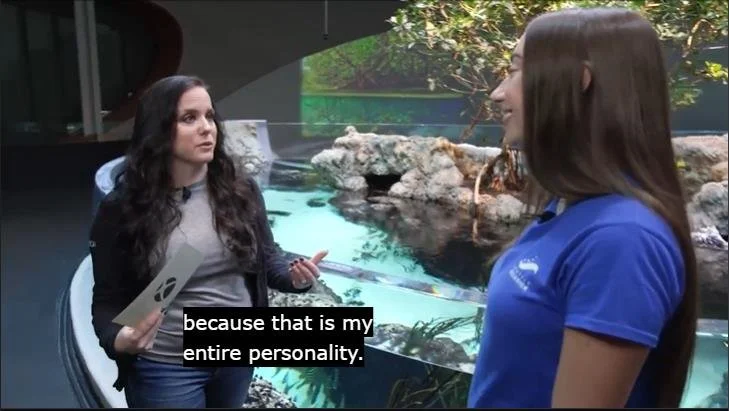
The repeat Xbox Earth Day streams at the Seattle Aquarium became one of the most-watched streams on the Xbox Twitch channel outside of the large showcase events - not because it was a game launch, but because the community was excited and showed up for it. They learned that the seals get their teeth brushed with Sonicare toothbrushes every morning. They met Pickle the octopus. They asked questions about kelp forests. They stayed engaged for the whole thing. We came back and did it multiple times. Each time, the community already knew what it was and showed up ready on a Saturday morning. That multiplier isn't available in year one. It accrues through repetition and trust - which requires the program to still exist.
I'd love to share some of my favorite chat reactions. We always watched every one of them as they came in. Thank you for always showing up. ❤️