Gaming companies have the best fundraising infrastructure in the world. Most of them aren't using it.
U.S. charitable giving hit $592.5 billion in 2024. Corporate giving reached $44.4 billion, a record. And yet the gaming sector's contribution to those numbers is a rounding error relative to its share of American attention and engagement. 190.6 million Americans play video games weekly - that's nearly two-thirds of the country.
The mismatch isn't a resource problem. It's a framing problem.
A mid-size gaming studio already has what a mid-size nonprofit spends years and significant budget trying to build: a live audience, a community platform, a content distribution channel, event infrastructure, and a deeply engaged membership that knows each other. Almost none of them use it to launch causes.
The campaigns that have tapped this infrastructure tell the story. Gamers Outreach’s Gamers for Giving raised over $1.25 million in 2024 at a single LAN event. Seven-figure fundraising results from one local, physical event, because the community that showed up was already organized, already motivated, and already connected to the cause. The infrastructure did the work.
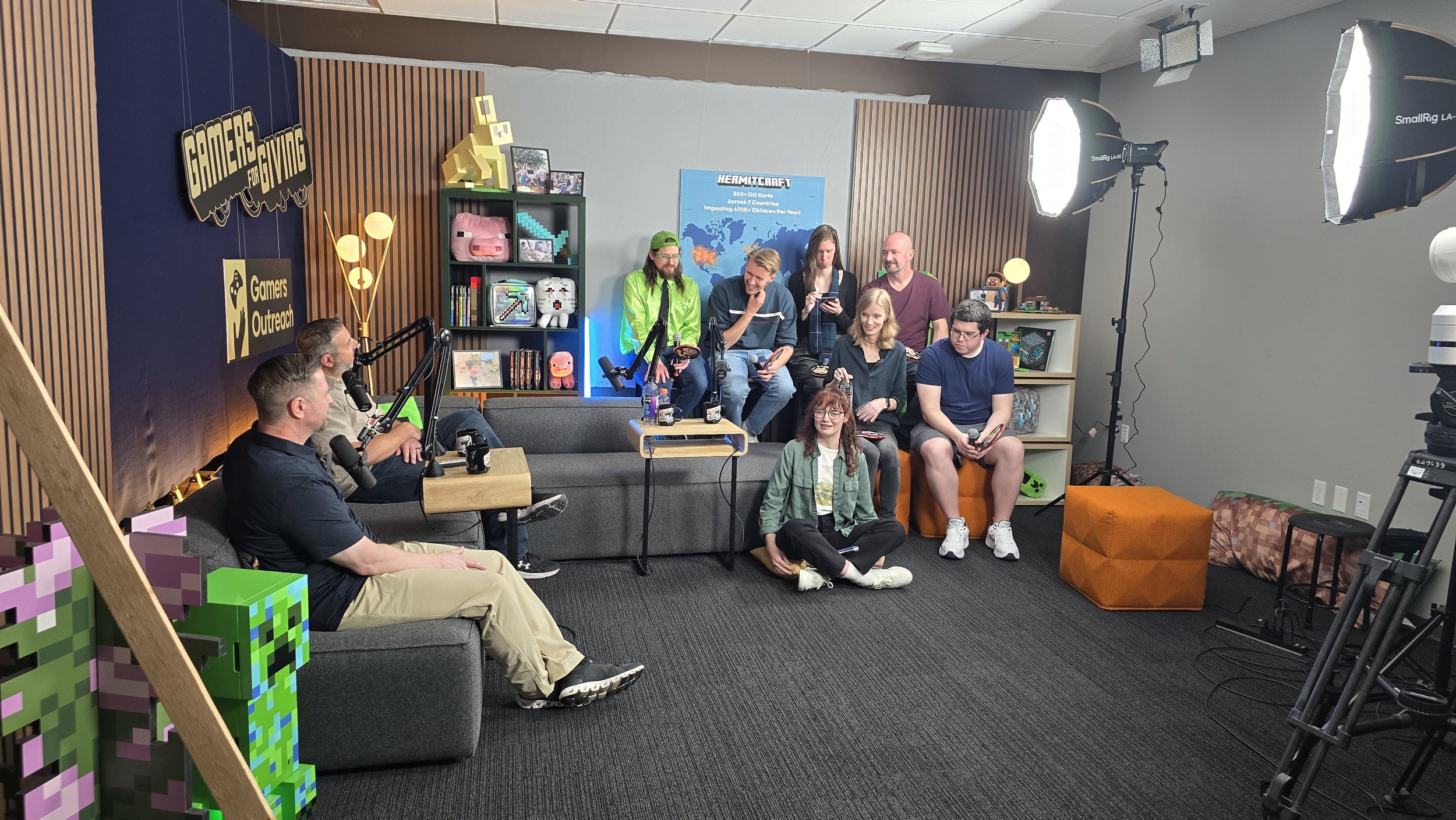
Direct Relief's gaming program has raised more than $4.3 million since 2011 by doing one thing: giving gaming communities a way to direct their existing charitable energy toward humanitarian health needs. No new audience had to be built. The audience was already there.
The reason it hasn't happened at scale is straightforward. For most gaming companies, social impact is a nice-to-have - something that gets funded in good quarters and cut in bad ones. The core business is making games, shipping them, and selling them. Social impact sits outside that loop. It doesn't have a P&L. It often doesn't report to anyone who owns a revenue target. That's not a criticism of the people doing the work - it's a description of where the work sits organizationally. And until social impact is framed as an audience strategy rather than a philanthropy budget, it will keep facing that organizational headwind.
The infrastructure is already built, someone has to decide to use it.